Supported by
Health
Superconductor replication attempts fail across three continents, researchers report
Compositional analysis showed the samples differed significantly from the published synthesis, echoing the swift collapse of the LK-99 claims just two years ago.
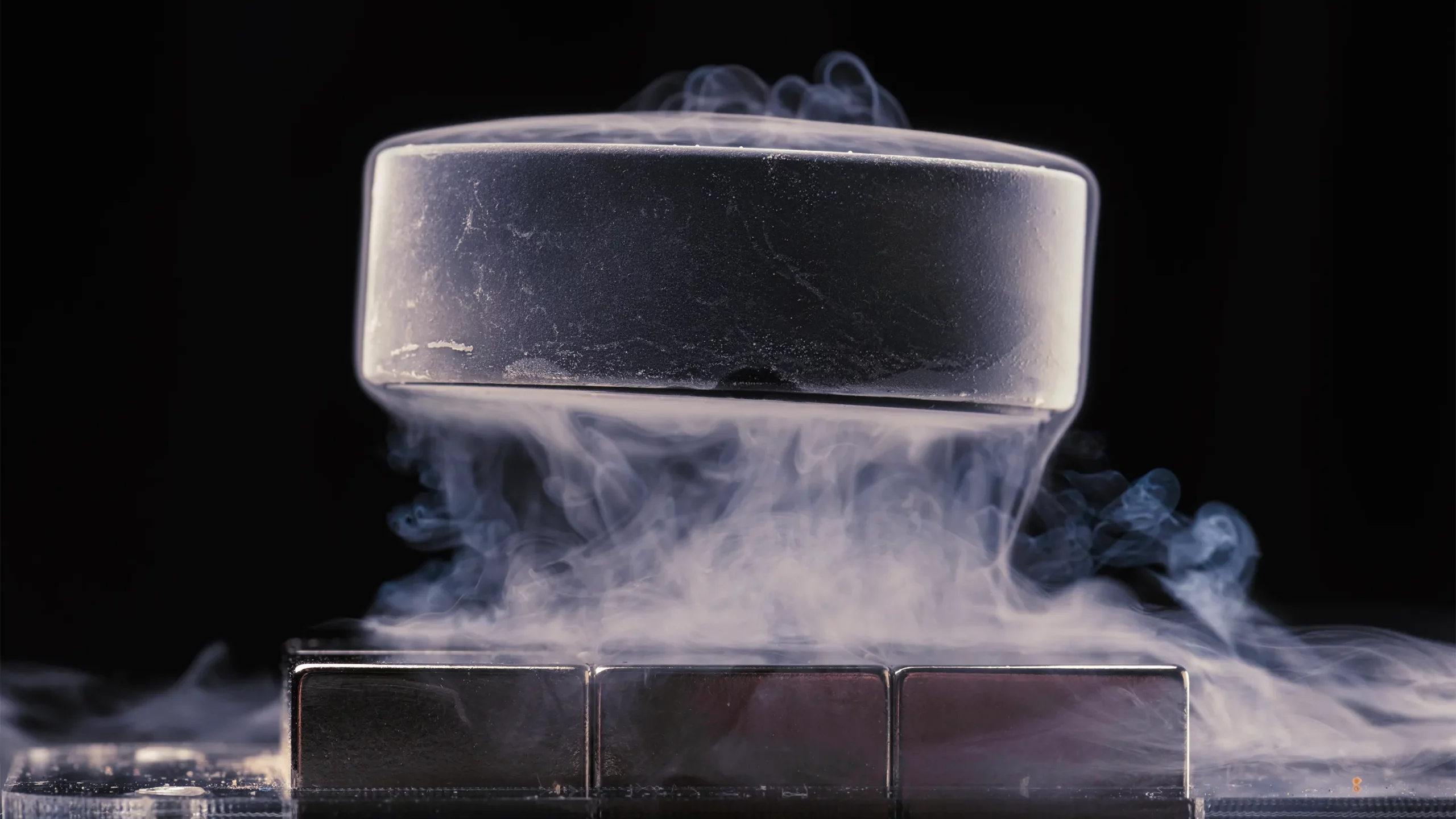
Three independent research groups, based in North America, Europe, and East Asia, each failed to replicate a claimed room-temperature superconductor after extensive attempts, according to preprints published this week, casting serious doubt on one of the most widely reported materials science claims in recent years.
The three teams conducted a combined total of more than forty synthesis attempts using both the procedure described in the original paper and several variations designed to account for possible ambiguities in the published method. In every case the compound behaved as a semiconductor or poor electrical conductor. No drop in resistance to zero was observed in any attempt, and no Meissner effect — the expulsion of magnetic flux that is the definitive signature of superconductivity — was detected.
Compositional analysis of the synthesised samples revealed significant deviations from the material described in the original paper in all three cases. Researchers concluded that the samples they had produced differed structurally from what the original team claimed to have made, raising questions about whether the published synthesis procedure was sufficient to reproduce the original result or whether the original result was itself reproducible. "We cannot say the original claim is false," said the lead researcher on the North American team. "We can say that what we made using the published method does not do what the paper says."
The original research team did not respond to the replication groups' requests for clarification on synthesis details in full. One of the three groups said it had sent detailed questions to the original authors and received only partial answers, without the specific information it required to resolve the compositional discrepancy. The original team has maintained publicly that its results are reproducible.
The pattern drew immediate comparison to the LK-99 episode of 2023, in which a South Korean team's announcement of a room-temperature superconductor generated global scientific attention before replication attempts from multiple institutions consistently failed over a period of weeks. Researchers who had tracked that episode noted structural similarities to the current situation: rapid independent assessment, consistent failure to reproduce the claimed effect, and compositional differences between the original material and the replicated samples.
The researchers who failed to replicate were careful to note that their results did not prove the original claim false. A negative replication means the claimed result has not been reproduced using the published method — it does not resolve whether the original researchers observed what they reported under conditions they did not fully specify. "We are not calling this fraud," one researcher said. "We are saying it does not work as described."
The original team's formal response to the replication failures was expected in coming days. The fate of the original paper's peer review at the journal where it had been submitted was not immediately clear.